

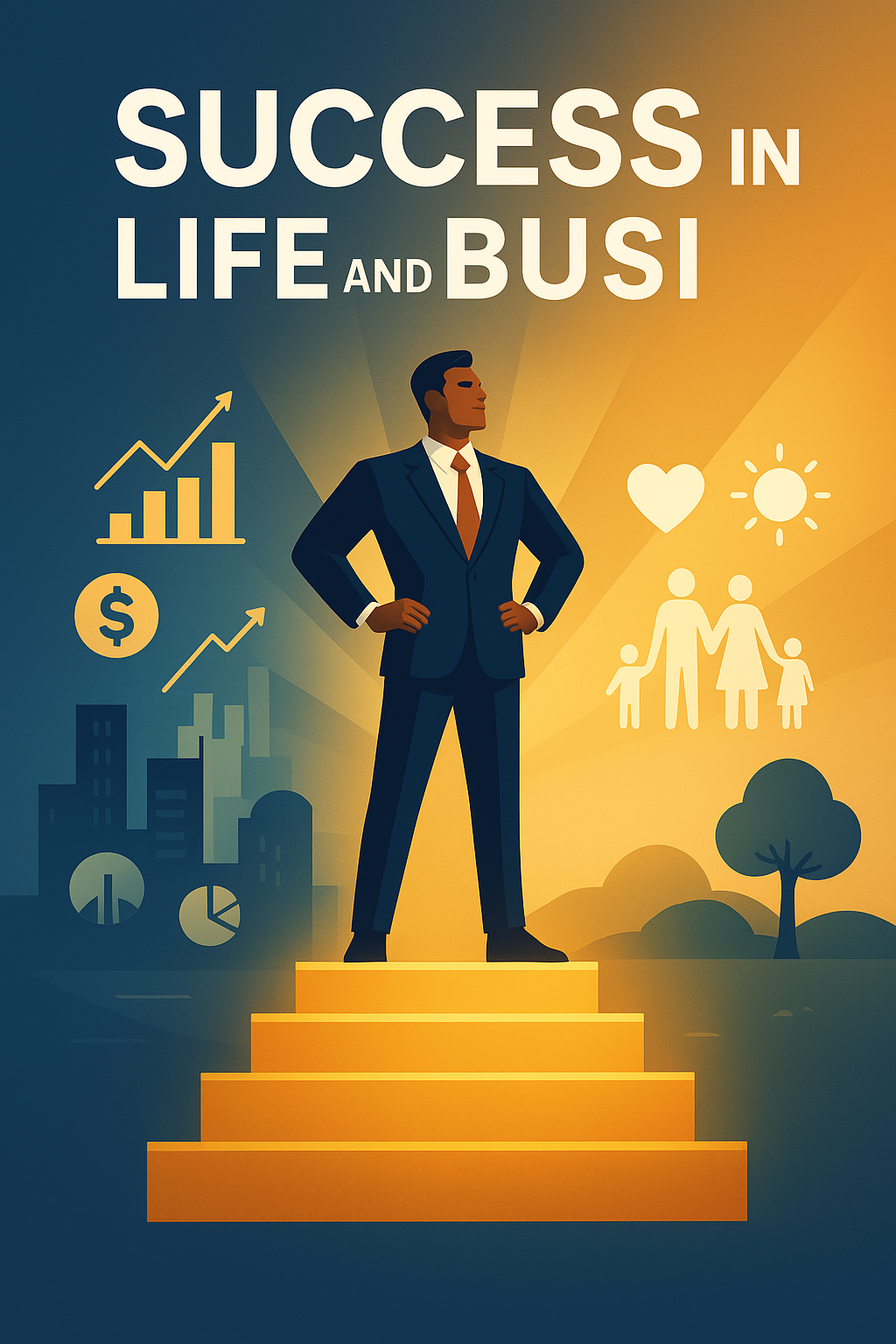
Success in Life and Business | Powerful Tips for 2025
Success in Life and Business
Achieving success is a multifaceted endeavor that encompasses both personal and professional growth. As we step into 2025, it’s essential to reevaluate our strategies for attaining our goals.

To excel in various aspects of life and business, one must be equipped with the right success tips and a clear understanding of what drives life and business success.
By focusing on actionable advice and the latest trends, individuals can set themselves up for a prosperous year ahead.
Key Takeaways
- Understanding the concept of success in personal and professional contexts
- Identifying effective success tips for 2025
- Strategies for achieving life and business success
- Staying updated with the latest trends and insights
- Setting actionable goals for a prosperous year
The New Success Paradigm for 2025
In 2025, the traditional success paradigm is being redefined to incorporate both digital achievements and real-world impact. As we navigate this new landscape, it’s essential to understand how success metrics have evolved and how they can be balanced to create a more holistic definition of success.
How Success Metrics Have Evolved Post-2023
The way we measure success has undergone a significant shift since 2023. New metrics now prioritize sustainability, social responsibility, and digital innovation. According to recent studies, companies that incorporate these metrics into their business models are seeing a marked improvement in their overall performance and public perception.
Balancing Digital Achievement with Real-World Impact
Achieving success in 2025 requires a delicate balance between digital achievements and real-world impact.
“The future of success lies in our ability to merge the digital and physical worlds, creating a more integrated and sustainable approach to achievement.”
This balance is crucial for long-term success and fulfillment.
Case Studies: Success Redefined
Several organizations have already begun to redefine success by incorporating both digital and real-world metrics. For instance, a tech company might measure its success not just by its digital presence, but also by its environmental sustainability initiatives.
- A leading e-commerce platform reduced its carbon footprint by 30% through sustainable practices.
- A digital marketing agency started measuring success by the social impact of its campaigns.
These case studies demonstrate how the new success paradigm is being implemented in various industries, leading to more comprehensive and meaningful achievements.
Mindset Shifts Essential for 2025 Success
In the era of AI and rapid technological advancements, achieving success in 2025 necessitates a significant shift in mindset. The ability to adapt, be resilient, and embrace growth is crucial in today’s fast-paced world.
Cultivating Adaptability in an AI-Driven Economy
To stay ahead, it’s essential to cultivate adaptability. This involves being open to new technologies and willing to pivot when necessary. Embracing AI as a tool rather than a threat can significantly enhance productivity and innovation.
Building Resilience Through Intentional Practice
Resilience is key to navigating the challenges of 2025. Intentional practices such as mindfulness and self-reflection can help build the mental and emotional fortitude needed to thrive. Regular self-care is not just beneficial but necessary for maintaining peak performance.
Implementing a Growth Mindset Framework
Adopting a growth mindset is vital for continuous learning and improvement. This involves embracing challenges, persisting in the face of obstacles, and viewing failures as opportunities for growth. A simple yet effective framework can be established using the following table:
| Mindset Attribute | Fixed Mindset | Growth Mindset |
|---|---|---|
| Challenges | Avoids challenges | Embraces challenges |
| Obstacles | Gives up easily | Persist in the face of obstacles |
| Failure | Sees failure as a negative | Sees failure as a learning opportunity |
By implementing these mindset shifts, individuals can position themselves for success in 2025 and beyond.
Building Your Personal Brand for Maximum Impact
In today’s digital landscape, establishing a robust personal brand is crucial for achieving maximum impact. As professionals navigate the complexities of 2025, a well-crafted personal brand can be the differentiator between blending in and standing out.
Digital Presence Optimization Strategies
Optimizing your digital presence is foundational to a strong personal brand. This involves:
- Ensuring your website and social media profiles are consistent and professional
- Utilizing SEO techniques to improve visibility in search results
- Regularly updating content to reflect your current expertise and interests
Authentic Storytelling That Resonates in 2025
Authentic storytelling is at the heart of a compelling personal brand. It involves sharing your journey, including challenges and successes, in a way that resonates with your audience. As Simon Sinek once said, “People don’t buy what you do; they buy why you do it.” Your “why” is the core of your personal brand story.
“The most courageous act is still to think for yourself. Aloud.” –
Charlie Kaufman
Multi-Platform Visibility Techniques
To maximize your impact, it’s essential to maintain a presence across multiple platforms. This doesn’t mean being on every platform, but rather being strategic about where your audience is most active.
Personal Branding Metrics That Matter
To gauge the effectiveness of your personal branding efforts, focus on metrics such as engagement rates, website traffic, and the quality of connections made through your online presence.
Financial Intelligence: The Cornerstone of Stability
As we navigate the complexities of modern finance, cultivating financial intelligence is more important than ever. Financial intelligence encompasses a broad range of skills and knowledge that enable individuals to make informed decisions about their financial resources.
Emerging Investment Opportunities for 2025-2030
The period between 2025 and 2030 is expected to bring new and exciting investment opportunities. Emerging technologies such as AI, renewable energy, and biotechnology are likely to drive growth and innovation. Investors should consider diversifying their portfolios to include these emerging sectors.

Strategic Debt Management in a Fluctuating Economy
Managing debt effectively is crucial in a fluctuating economy. Strategies such as consolidating high-interest debt, negotiating better terms with lenders, and maintaining a good credit score can help individuals and businesses navigate economic uncertainties.
Creating Diversified Income Streams
Creating diversified income streams is a key component of financial stability. This can be achieved through a combination of traditional employment, investments, and entrepreneurial ventures. Diversification helps mitigate risk and ensures a more stable financial foundation.
Financial Planning Tools for the Modern Professional
In today’s digital age, numerous financial planning tools are available to help modern professionals manage their finances effectively. These tools range from budgeting apps to investment tracking software, providing a comprehensive overview of one’s financial situation.
Some of the most useful tools include:
- Budgeting software like Mint or YNAB (You Need a Budget)
- Investment tracking apps such as Personal Capital
- Financial planning platforms that offer holistic financial advice
Success in Life and Business | Powerful Tips for 2025
As we step into 2025, achieving success in both life and business requires a balanced approach that aligns with our personal values and professional goals. This alignment is crucial for sustained fulfillment and achievement.
Integrating Professional Goals with Personal Values
To achieve true success, it’s essential to integrate your professional goals with your personal values. This means setting objectives that not only advance your career but also contribute to your overall well-being. For instance, if family is a core value, consider how your professional goals can support family time or stability.
Leveraging Technology While Maintaining Human Connection
In 2025, technology plays a pivotal role in both personal and professional spheres. However, it’s crucial to leverage technology in a way that enhances human connection rather than diminishing it. Utilize digital tools to facilitate meaningful interactions and collaborations.
Sustainable Success Practices for Long-Term Fulfillment
Adopting sustainable success practices is vital for long-term fulfillment. This involves setting realistic goals, practicing self-care, and continuously learning and adapting to new challenges.
Daily Habits of Highly Successful Individuals
Highly successful individuals often attribute their success to specific daily habits. These may include:
- Early morning routines that set a positive tone for the day
- Prioritized task lists to maximize productivity
- Regular exercise or mindfulness practices to maintain mental and physical health
By incorporating these habits into your daily routine, you can enhance your productivity and move closer to your professional goals.
Relationship Building: The Hidden Success Accelerator
Relationship building is the unsung hero of success stories, providing the foundation upon which achievements are made. In today’s interconnected world, the ability to form and maintain meaningful relationships is more crucial than ever.
Strategic Networking in Hybrid and Virtual Environments
Strategic networking has evolved to accommodate both hybrid and virtual environments. To maximize impact, it’s essential to be intentional about the events you attend and the online communities you join.
- Identify key industry conferences and networking events
- Engage in online forums and social media groups related to your field
- Use video conferencing tools to maintain regular check-ins with your network
Cultivating Mentor Relationships That Drive Growth
Mentorship is a powerful tool for personal and professional growth. To cultivate mentor relationships, focus on:
- Seeking out experienced individuals who align with your goals
- Being clear about what you hope to achieve from the mentorship
- Demonstrating commitment and follow-through on the advice received
As Nelson Mandela once said, “The greatest glory in living lies not in never falling, but in rising every time we fall.” A mentor can provide the guidance needed to rise above challenges.
Building Collaborative Partnerships for Mutual Success
Collaborative partnerships are essential for achieving mutual success. To build these partnerships, focus on:
- Identifying complementary businesses or individuals
- Establishing clear goals and expectations for the partnership
- Fostering open communication and trust
By building strong relationships through strategic networking, mentorship, and collaborative partnerships, you can accelerate your path to success.
Productivity Systems for the 2025 Professional
As we step into 2025, professionals are seeking innovative productivity systems to stay ahead in their careers. The modern workplace demands more than just traditional time management; it requires a holistic approach to productivity that incorporates advanced techniques and cutting-edge technology.
Advanced Time Blocking for Maximum Output
Time blocking has evolved beyond simple calendar scheduling. Advanced time blocking involves strategically allocating time slots for tasks based on their priority and the energy required to complete them. By dedicating specific times for focused work, professionals can significantly boost their productivity.
Energy Management Strategies That Outperform Time Management
While time management is crucial, energy management is equally important. Professionals in 2025 are adopting strategies that help maintain their energy levels throughout the day. This includes taking regular breaks, practicing mindfulness, and ensuring a healthy work-life balance.
AI-Powered Productivity Tools Worth Investing In
The integration of AI in productivity tools has revolutionized the way professionals work. Tools that utilize AI can automate routine tasks, provide intelligent scheduling, and offer insights into productivity patterns. Investing in such tools can significantly enhance a professional’s efficiency.
Measuring Productivity Beyond Traditional Metrics
As noted by productivity expert Laura Vanderkam,
“Productivity is about making the most of your time, not just doing more.”
Measuring productivity in 2025 involves looking beyond traditional metrics such as hours worked or tasks completed. It includes assessing the impact of work on overall well-being and goal achievement.
By adopting these advanced productivity systems, professionals in 2025 can achieve a better balance between work and personal life, leading to sustained success and fulfillment.
Health and Wellness as Business Strategy
In today’s fast-paced business environment, prioritizing health and wellness is no longer a personal choice but a strategic business decision. Companies that invest in the wellbeing of their employees see significant returns in productivity, employee retention, and overall business performance.
Quantifying the ROI of Physical and Mental Wellbeing
Quantifying the return on investment (ROI) of wellbeing initiatives is crucial for businesses. Studies have shown that for every dollar invested in employee wellness, companies can expect an average return of $3 in reduced healthcare costs and $2.73 in reduced absenteeism.

Science-Backed Stress Management for High Performers
High performers often face unique stressors that can impact their performance and wellbeing. Techniques such as mindfulness, meditation, and strategic time blocking have been shown to reduce stress and improve focus.
Integrating Wellness Into Your Leadership Approach
Leaders play a crucial role in setting the tone for their organization’s culture, including its approach to health and wellness. By prioritizing their own wellbeing and encouraging their teams to do the same, leaders can foster a more resilient and productive work environment.
By embracing health and wellness as a core business strategy, companies can not only improve the lives of their employees but also drive business success.
Future-Proofing Your Skills and Business
As we approach 2025, it’s crucial to future-proof your skills and business strategies to stay ahead in the competitive landscape. The rapidly changing market demands adaptability and a proactive approach to professional development and business innovation.
Top 5 Skills That Will Dominate the 2025 Marketplace
The job market in 2025 will be shaped by technological advancements and evolving consumer needs. The top skills in demand will include:
- Data Analysis and Interpretation: The ability to analyze and make decisions based on data will be crucial.
- Digital Literacy: Proficiency in digital tools and platforms will continue to grow in importance.
- Critical Thinking and Problem-Solving: As automation increases, human critical thinking will become more valuable.
- Creativity and Innovation: The ability to innovate and think creatively will drive business success.
- Emotional Intelligence: Understanding and managing emotions will be key to effective leadership and teamwork.
Business Model Innovation for Evolving Consumer Behaviors
Consumer behaviors are constantly evolving, driven by technological advancements and changing societal values. Businesses must innovate their models to stay relevant. This includes adopting sustainable practices, leveraging digital platforms, and focusing on customer experience.
Continuous Learning Frameworks for Staying Relevant
Continuous learning is essential for both personal and professional growth. Implementing a structured learning framework can help individuals stay relevant. This involves:
- Identifying skill gaps
- Setting learning objectives
- Utilizing various learning resources
- Applying new skills in real-world scenarios
Technology Adoption Strategies for Competitive Advantage
To gain a competitive edge, businesses must adopt technology strategically. This includes:
- AI and Automation: Implementing AI to streamline processes and improve efficiency.
- Cloud Computing: Leveraging cloud technology for scalability and flexibility.
- Cybersecurity Measures: Protecting business and customer data with robust security protocols.
By embracing these strategies, businesses can future-proof their operations and thrive in the 2025 landscape.
Conclusion: Your Roadmap to Success in 2025 and Beyond
As we navigate the complexities of achieving success in 2025 and beyond, it’s clear that a multifaceted approach is necessary. By integrating the strategies discussed throughout this article, individuals can create a personalized roadmap to success that aligns with their unique goals and challenges.
Key takeaways include cultivating a growth mindset, building a strong personal brand, and leveraging financial intelligence to drive stability. Additionally, fostering meaningful relationships, optimizing productivity systems, and prioritizing health and wellness are crucial components of a comprehensive success strategy.
To implement these 2025 success strategies effectively, focus on developing a balanced approach that blends digital achievement with real-world impact. By doing so, you’ll be well-positioned to adapt to the evolving landscape and achieve long-term fulfillment.
Your roadmap to success in 2025 and beyond starts with a clear understanding of these interconnected elements. By applying these insights and maintaining a commitment to continuous learning and growth, you’ll be poised to achieve your goals and make a lasting impact.
FAQ
What are the key mindset shifts necessary for achieving success in 2025?
The key mindset shifts necessary for achieving success in 2025 include cultivating adaptability in an AI-driven economy, building resilience through intentional practice, and implementing a growth mindset framework.
How can I build a strong personal brand for maximum impact in 2025?
To build a strong personal brand, focus on digital presence optimization strategies, authentic storytelling that resonates in 2025, and multi-platform visibility techniques.
What are the emerging investment opportunities for 2025-2030?
Emerging investment opportunities for 2025-2030 include diversifying your portfolio with new asset classes, investing in sustainable and renewable energy, and exploring alternative investment options.
How can I integrate professional goals with personal values?
To integrate professional goals with personal values, identify your core values and align them with your professional objectives, ensuring that your work is meaningful and fulfilling.
What are the top skills that will dominate the 2025 marketplace?
The top skills that will dominate the 2025 marketplace include skills related to AI, data analysis, and digital marketing, as well as soft skills like creativity, problem-solving, and collaboration.
How can I future-proof my skills and business?
To future-proof your skills and business, focus on continuous learning frameworks, business model innovation, and technology adoption strategies that provide a competitive advantage.
What is the importance of health and wellness as a business strategy?
Health and wellness are crucial as a business strategy because they can improve productivity, reduce turnover rates, and enhance overall business performance, leading to a positive return on investment.
How can I measure productivity beyond traditional metrics?
To measure productivity beyond traditional metrics, consider using metrics that account for energy management, task prioritization, and overall well-being, providing a more holistic view of productivity.
What are the benefits of strategic networking in hybrid and virtual environments?
Strategic networking in hybrid and virtual environments can help you build relationships, access new opportunities, and stay ahead of the competition, regardless of your physical location.
tag:
achieve success in business best tips for life success business growth in 2025 business success strategies entrepreneur success tips 2025 how to succeed in life and business life success tips 2025 personal growth tips powerful business advice 2025 productivity tips for success success balance life and work success habits daily success in life and business success motivation 2025 work life balance successShare:

EHubServices

