

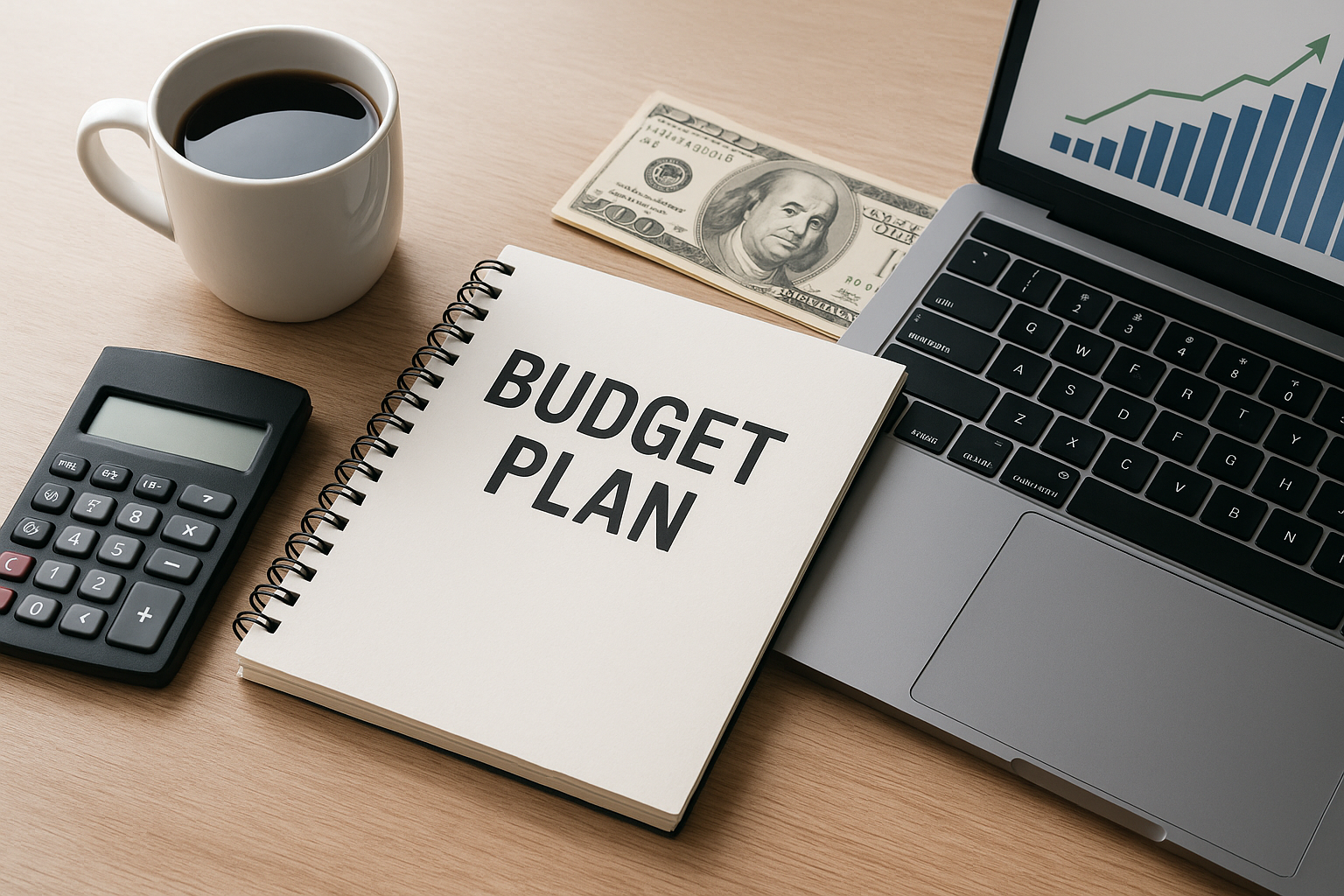
Simple Budget Plan for Beginners That Really Works
Use Focus Keyword in the URL
Creating an effective budgeting strategy is a crucial step towards financial stability. For those new to managing their finances, a simple budget plan can seem daunting, but it’s a vital tool for achieving financial goals.
By implementing a straightforward budgeting for beginners approach, individuals can take control of their financial situation, reduce stress, and make progress towards a more secure financial future.

Table of Contents
With a clear understanding of where their money is going, individuals can make informed decisions about their spending habits and start building a more stable financial foundation.
Key Takeaways
- Understand the importance of a simple budget plan for financial stability
- Learn how to create an effective budgeting strategy
- Discover the benefits of budgeting for beginners
- Take control of your financial situation with a straightforward budget plan
- Make progress towards a more secure financial future
Why Most People Fail at Budgeting
Despite its importance, budgeting remains a challenging task for many, often due to underlying psychological factors. Creating a budget is not just about numbers; it’s about understanding one’s financial behavior and making conscious decisions.
Common Budgeting Misconceptions
One of the primary reasons people fail at budgeting is due to misconceptions about what a budget should be. Many believe that a budget is restrictive, or that it’s only for those who are struggling financially. However, a budget is simply a tool for managing money effectively. As Ramsey Solutions puts it, “A budget is telling your money where to go instead of wondering where it went.”
The Psychology Behind Budget Avoidance
Budget avoidance is often linked to financial anxiety or fear of facing financial reality. People may feel overwhelmed by their financial situation or uncertain about how to improve it. According to a quote by
‘The biggest risk is not taking any risk…’ by Mark Zuckerberg
, taking control of your finances requires facing your fears and being proactive.
Why Traditional Budgeting Methods Often Fail
Traditional budgeting methods often fail because they are too rigid or complicated. Many budgeting systems require detailed tracking of every expense, which can be time-consuming and may not be sustainable in the long term. A more flexible and simple approach is needed for most people to succeed.
The Real Benefits of Having a Budget
The benefits of having a budget are multifaceted, ranging from financial control to achieving long-term goals. By creating a budget, individuals can gain a clearer understanding of their financial situation and make informed decisions about their money.
Financial Control and Peace of Mind
One of the primary advantages of budgeting is the sense of financial control it provides. By tracking income and expenses, individuals can identify areas where they can cut back and allocate resources more effectively. This control leads to reduced financial stress and increased peace of mind.
Achieving Short and Long-Term Goals
A budget helps individuals prioritize their spending, ensuring that they are working towards both short-term and long-term financial goals. Whether it’s saving for a vacation, paying off debt, or building a retirement fund, a budget provides a roadmap for achieving these objectives.
Breaking the Paycheck-to-Paycheck Cycle
Many individuals struggle with living paycheck to paycheck. Budgeting can help break this cycle by identifying unnecessary expenses and allocating funds towards savings and emergency funds. This shift in financial management can lead to greater financial stability and security.
| Benefits of Budgeting | Description |
|---|---|
| Financial Control | Gaining a clear understanding of income and expenses |
| Achieving Goals | Prioritizing spending to meet short and long-term objectives |
| Breaking the Paycheck Cycle | Identifying unnecessary expenses and building savings |
Understanding Your Current Financial Situation
Understanding your current financial situation is crucial for making informed decisions about your money. It’s the foundation upon which a successful budget is built.
To get started, you need to have a clear picture of your financial landscape. This involves several key steps.
Tracking Your Income Sources
The first step is to track all your income sources. This includes your salary, investments, and any side hustles. Make a list of all the ways you earn money and calculate the total amount you receive each month.
Identifying All Expenses
Next, you need to identify all your expenses. This includes fixed expenses like rent and utilities, as well as variable expenses like food and entertainment. Use bank statements and receipts to get an accurate picture of where your money is going.
Calculating Your Net Worth
Calculating your net worth gives you a snapshot of your financial health. To do this, list all your assets (such as savings, investments, and property) and subtract your liabilities (such as debts and loans).
Facing Your Financial Reality
Facing your financial reality can be challenging, but it’s a crucial step in taking control of your finances. Be honest with yourself about your spending habits and financial goals. As Dave Ramsey says, “You can’t manage what you don’t measure.”
“You can’t manage what you don’t measure.”
This mindset will help you make conscious decisions about your money.
By following these steps, you’ll have a clear understanding of your financial situation, which is essential for creating a budget that works for you.
A Simple Budget Plan for Beginners That Really Works
Budgeting doesn’t have to be complicated; there are several straightforward methods that work well for beginners. The key is to find a system that fits your lifestyle and financial goals.
Let’s explore some popular budgeting methods that can help you get started on your financial journey.
The 50/30/20 Rule Explained
The 50/30/20 rule is a simple and effective way to allocate your income. It suggests that 50% of your income should go towards necessary expenses like rent and utilities, 30% towards discretionary spending, and 20% towards saving and debt repayment.
- Necessary Expenses (50%): Rent, utilities, groceries, and minimum payments on debts.
- Discretionary Spending (30%): Entertainment, hobbies, and lifestyle upgrades.
- Savings and Debt Repayment (20%): Emergency fund, savings, and debt repayment beyond the minimum.
Zero-Based Budgeting for Beginners
Zero-based budgeting is a method where every dollar of your income is assigned a job. It helps ensure that you’re making the most of your money and not wasting any of it.
To implement zero-based budgeting, start by tracking your income and expenses. Then, allocate every dollar towards a specific category or expense.
Envelope System: Digital and Physical Options
The envelope system is a tangible way to manage your expenses. It involves dividing your expenses into categories and placing the corresponding budgeted cash into labeled envelopes.
For those who prefer digital solutions, there are numerous apps and online tools that mimic the envelope system, allowing you to allocate funds to different categories virtually.
Choosing the Right Method for Your Personality
The best budgeting method is one that you’ll stick to. Consider your financial goals, spending habits, and personal preferences when choosing a budgeting system.
Some people prefer the simplicity of the 50/30/20 rule, while others like the detailed approach of zero-based budgeting. Experiment with different methods to find what works best for you.
Step-by-Step Guide to Creating Your First Budget
The first step towards financial stability is creating a budget that works for you, not against you. This process involves several key steps that help you understand your financial situation and make informed decisions about your money.
Gathering Financial Documents
To start creating your budget, you’ll need to gather all your financial documents. This includes pay stubs, bank statements, bills, and any other documents that show your income and expenses. Having these documents on hand will give you a clear picture of your financial situation.
Categorizing Your Expenses
Once you have your financial documents, the next step is to categorize your expenses. Common categories include housing, utilities, food, transportation, and entertainment. Categorizing your expenses helps you understand where your money is going and identify areas where you can cut back.
Setting Realistic Spending Limits
After categorizing your expenses, you’ll need to set realistic spending limits for each category. This involves determining how much you can afford to spend in each area based on your income and financial goals. It’s essential to be realistic and flexible when setting these limits.
Building in Flexibility for Success
A good budget is not rigid; it allows for flexibility. Life is unpredictable, and unexpected expenses will arise. By building some flexibility into your budget, you’ll be better equipped to handle these expenses without derailing your entire financial plan.
| Category | Monthly Budget | Actual Spending |
|---|---|---|
| Housing | $1,500 | $1,450 |
| Food | $500 | $550 |
| Transportation | $300 | $320 |
By following these steps and regularly reviewing your budget, you’ll be on your way to achieving financial stability. Remember, creating a budget is not a one-time task; it’s an ongoing process that helps you stay on track with your financial goals.
Essential Budgeting Categories for Beginners
Creating a budget that works begins with understanding the essential categories that will guide your financial decisions. For beginners, it’s vital to allocate income effectively across different expense types to achieve financial stability.

Fixed Expenses: Housing, Utilities, and Debt
Fixed expenses are regular, non-discretionary costs that remain relatively stable each month. These include housing costs like rent or mortgage payments, utilities such as electricity, water, and gas, and debt repayments like credit card debt or student loans. Managing these expenses is crucial as they often constitute a significant portion of one’s budget.
Variable Expenses: Food, Transportation, and Entertainment
Variable expenses are costs that can change from month to month. They include food, whether groceries or dining out, transportation costs like fuel, maintenance, or public transit fees, and entertainment expenses such as movies, hobbies, or travel. These expenses are considered flexible because they can be adjusted based on financial goals or constraints.
As financial expert Dave Ramsey once said, “The key to financial freedom is not how much you make, but how much you save and invest.” This emphasizes the importance of managing both fixed and variable expenses effectively.
Savings and Emergency Fund Allocations
Allocating a portion of your income to savings and an emergency fund is essential. Savings help in achieving long-term financial goals, while an emergency fund provides a cushion against unexpected expenses, preventing debt accumulation.
Discretionary Spending: Finding Balance
Discretionary spending refers to expenses that are not essential, such as dining out, entertainment, or luxury items. Finding a balance between enjoying your life today and saving for the future is key. It’s about making conscious choices that align with your financial goals.
By understanding and categorizing your expenses into these essential budgeting categories, you can create a more effective and sustainable budget that supports your financial well-being.
Free and Low-Cost Budgeting Tools
Managing your finances effectively requires the right tools, and fortunately, there are numerous free and low-cost budgeting tools available. These tools can help you track your expenses, create a budget plan, and stick to it, all without breaking the bank.
Mobile Apps for Budget Tracking
Mobile apps have revolutionized the way we manage our finances. Apps like Mint and Personal Capital offer comprehensive budgeting features, including expense tracking, bill reminders, and investment monitoring. These apps are not only powerful but also user-friendly, making it easier for beginners to get started with budgeting.
Spreadsheet Templates and Printables
For those who prefer a more hands-on approach, spreadsheet templates and printables are excellent alternatives. Programs like Microsoft Excel and Google Sheets offer a variety of budgeting templates that can be customized to fit your needs. You can also find numerous free printable budgeting worksheets online, which can be a great low-tech option.
Banking Features That Support Budgeting
Many banks now offer built-in budgeting features as part of their online banking services. These features can help you categorize your expenses, set savings goals, and monitor your spending in real-time. Check with your bank to see what budgeting tools they offer.
Low-Tech Options That Still Work
If you’re not tech-savvy or prefer a more traditional approach, consider using a budgeting notebook or planner. Writing down your expenses and income can be a therapeutic way to manage your finances, and it’s completely free.
| Tool | Description | Cost |
|---|---|---|
| Mint | Comprehensive budgeting app with expense tracking and bill reminders | Free |
| Personal Capital | Budgeting and investment tracking app | Free |
| Google Sheets Budget Template | Customizable budgeting spreadsheet | Free |
| Budgeting Notebook | Low-tech budgeting planner | $10-$20 |
Sticking to Your Budget: Practical Strategies
The key to successful budgeting isn’t just creating a plan, but consistently adhering to it. Sticking to a budget requires discipline, flexibility, and the right strategies to overcome common obstacles.
Weekly Check-ins and Adjustments
Regularly reviewing your budget helps you stay on track and make necessary adjustments. Schedule weekly check-ins to monitor your spending, identify areas for improvement, and adjust your budget as needed. This habit helps you respond to changes in your financial situation promptly.
Handling Unexpected Expenses
Unexpected expenses can derail your budget if you’re not prepared. Set aside a portion of your budget for emergencies or unexpected costs. This buffer can help you avoid going into debt when unexpected expenses arise.

Accountability Partners and Support Systems
Having someone to hold you accountable can significantly improve your budgeting success. Share your budgeting goals with a trusted friend or family member and ask them to check in with you regularly. This support system can provide motivation and help you stay committed to your budget.
Celebrating Small Wins Along the Way
Celebrating your budgeting successes, no matter how small, can boost your motivation to continue. Recognize your achievements, whether it’s saving a certain amount or avoiding unnecessary expenses. Celebrating these milestones helps reinforce positive financial habits.
By incorporating these practical strategies into your budgeting routine, you can improve your chances of sticking to your budget and achieving your financial goals.
Overcoming Emotional Barriers to Budgeting
Budgeting isn’t just about numbers; it’s also about overcoming the emotional hurdles that stand in your way. Emotional barriers such as financial anxiety and unhealthy money habits can significantly impact your ability to stick to a budget.
Dealing with Financial Anxiety
Financial anxiety can be overwhelming, but there are strategies to manage it. Practicing mindfulness and being present in the moment can help reduce financial stress. Additionally, setting aside time to review your finances can make the task less daunting.
Breaking Unhealthy Money Habits
Identifying and breaking unhealthy money habits is crucial. Start by tracking your spending to understand where your money is going. Then, implement changes gradually, such as cutting back on unnecessary expenses or finding more cost-effective alternatives.
Finding Motivation When You Want to Quit
Staying motivated is key to successful budgeting. Celebrate your small victories, and remind yourself of your financial goals. Having an accountability partner or joining a budgeting community can also provide the support you need.
Reframing Budget as Empowerment, Not Restriction
View budgeting as a tool for empowerment rather than restriction. By managing your finances effectively, you’re taking control of your financial future. This mindset shift can make budgeting a more positive and rewarding experience.
By addressing these emotional barriers and adopting a positive approach to budgeting, you can overcome the challenges that stand in your way and achieve financial stability.
Evolving Your Budget as Your Skills Improve
As you become more confident in managing your finances, it’s time to take your budgeting skills to the next level. With a solid foundation in basic budgeting, you can now explore more advanced strategies to enhance your financial stability and growth.
Moving Beyond the Basics
Once you’ve mastered the fundamentals, it’s essential to refine your budgeting approach. This involves regularly reviewing and adjusting your budget to ensure it remains aligned with your changing financial goals and circumstances. Consider implementing a rolling budget that automatically updates based on new income or expenses, helping you stay on track without manual adjustments.
Incorporating Investing and Wealth Building
As you progress, you may want to incorporate investing and wealth-building strategies into your budget. This could involve allocating a portion of your income to investment accounts, such as a 401(k) or IRA, or exploring other investment vehicles like stocks or real estate. Wealth-building activities can help you achieve long-term financial goals, such as retirement savings or purchasing a home.
Automating Your Financial Success
Automating your finances is a powerful way to ensure consistency and efficiency in your budgeting. By setting up automatic transfers for savings, investments, and bill payments, you can reduce the likelihood of missed payments or forgotten savings contributions. This streamlined approach helps maintain financial discipline and frees up mental energy for other important decisions.
Setting Progressive Financial Goals
Finally, it’s crucial to set progressive financial goals that challenge you to continue improving your financial health. These goals might include increasing your savings rate, paying off debt more quickly, or building an emergency fund. By setting clear, achievable objectives, you can maintain momentum and motivation in your financial journey.
Conclusion
Creating a simple budget plan is just the first step towards achieving financial success. By understanding your financial situation, choosing the right budgeting method, and sticking to your plan, you can break the paycheck-to-paycheck cycle and start building wealth.
As you’ve learned, budgeting is not about depriving yourself of things you enjoy, but about making conscious financial decisions that align with your goals. Whether you’re using the 50/30/20 rule, zero-based budgeting, or the envelope system, the key is to find a method that works for you and your lifestyle.
By following the steps outlined in this article and leveraging tools like mobile apps and spreadsheet templates, you can take control of your finances and start achieving your short and long-term goals. Stay committed, be patient, and celebrate your small wins along the way.
Ultimately, a well-crafted budget plan is your roadmap to financial success, empowering you to make the most of your hard-earned money and secure a brighter financial future.
FAQ
What is the 50/30/20 rule in budgeting?
The 50/30/20 rule is a simple budgeting method that suggests allocating 50% of your income towards fixed expenses, 30% towards discretionary spending, and 20% towards saving and debt repayment.
How do I track my expenses effectively?
To track your expenses effectively, you can use mobile apps like Mint or Personal Capital, spreadsheet templates, or even just a notebook to record every purchase. The key is to find a method that works for you and stick to it.
What are some common budgeting mistakes to avoid?
Common budgeting mistakes include not accounting for irregular expenses, not having an emergency fund, and being too rigid with your budget. It’s also important to regularly review and adjust your budget to ensure it remains effective.
How can I stay motivated to stick to my budget?
To stay motivated, consider setting specific financial goals, tracking your progress, and celebrating small victories along the way. Having an accountability partner or joining a budgeting community can also provide support and motivation.
What are some free or low-cost budgeting tools I can use?
Some popular free or low-cost budgeting tools include mobile apps like NerdWallet, You Need a Budget (YNAB), and EveryDollar, as well as spreadsheet templates and printables available online.
How often should I review and adjust my budget?
It’s a good idea to review and adjust your budget regularly, such as every few months or at the start of each new year. This will help you stay on track and make any necessary adjustments to achieve your financial goals.
Can I use budgeting apps with my bank accounts?
Many budgeting apps, such as Mint and Personal Capital, allow you to link your bank accounts, credit cards, and other financial accounts to track your spending and stay on top of your finances.
How do I handle unexpected expenses in my budget?
To handle unexpected expenses, consider building an emergency fund to cover 3-6 months of living expenses. You can also adjust your budget to accommodate unexpected expenses by reducing discretionary spending or using savings.
tag:
beginner budget guide best budget tips 2025 budget plan that works budgeting for beginners easy budget tips easy financial planning financial freedom basics how to budget for beginners money management basics personal finance tips saving money for beginners simple budget plan for beginners simple money saving plan smart money habits step by step budget planShare:

EHubServices

