

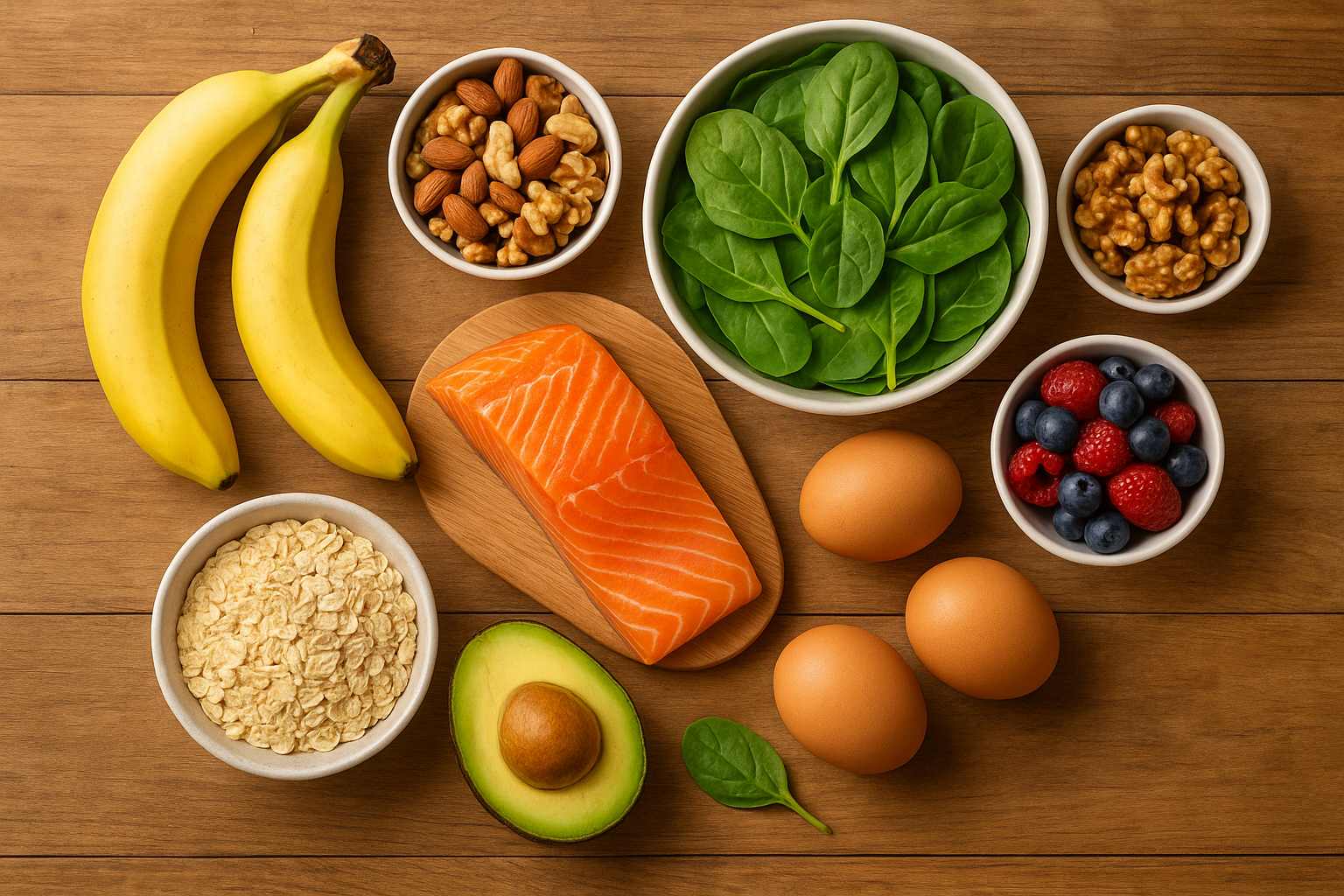
Best Foods to Boost Energy Naturally for All-Day Vitality
Best Foods to Boost Energy Naturally
Maintaining energy levels throughout the day is crucial for productivity and overall well-being. With the demands of modern life, it’s easy to feel drained and sluggish. However, incorporating the right energy-boosting foods into your diet can make a significant difference.

Consuming natural energy boosters can help sustain vitality and support an active lifestyle. The right foods can provide a sustained release of energy, helping you power through your day without the need for artificial stimulants.
In this article, we’ll explore the foods for vitality that can help you stay energized and focused. From nutrient-rich fruits to complex carbohydrates, we’ll dive into the best options to keep your energy levels stable and your body performing at its best.
Key Takeaways
- Identify the top energy-boosting foods to include in your diet
- Understand how different nutrients contribute to sustained energy
- Learn how to combine foods for optimal energy levels
- Discover the benefits of incorporating natural energy boosters into your daily routine
- Explore the role of hydration in maintaining energy and vitality
Understanding Energy and Nutrition
Understanding how our bodies convert food into energy is crucial for maintaining vitality throughout the day. The process involves several key steps and components that work together to ensure our bodies have the energy they need.
How Food Converts to Cellular Energy
The conversion of food into cellular energy is a complex process that begins with the digestion of nutrients. Carbohydrates, proteins, and fats are broken down into simpler forms that are then absorbed and utilized by cells to produce energy. This energy is primarily produced in the mitochondria, often referred to as the powerhouses of the cell, through a process called cellular respiration.
The Role of Metabolism in Energy Production
Metabolism plays a critical role in energy production. It encompasses all the chemical reactions that occur within the body to sustain life, including those that convert food into energy. A faster metabolism means the body can process nutrients more quickly, potentially leading to increased energy levels. Factors such as age, gender, weight, and physical activity level can influence metabolic rate.
Identifying Energy Gaps in Your Diet
To identify energy gaps in your diet, it’s essential to examine your nutritional intake closely. A diet lacking in essential nutrients can lead to fatigue and decreased energy levels. The following table highlights key nutrients and their food sources that are vital for energy production.
| Nutrient | Food Sources | Role in Energy Production |
|---|---|---|
| Iron | Red meat, spinach, beans | Essential for transporting oxygen to cells |
| Magnesium | Nuts, seeds, whole grains | Involved in energy production pathways |
| B Vitamins | Whole grains, lean meats, eggs | Critical for converting food into energy |
By understanding how food converts to cellular energy, the role of metabolism, and identifying potential gaps in your diet, you can take steps to optimize your energy levels naturally.
Complex Carbohydrates: Your Body’s Preferred Energy Source
Complex carbohydrates are the body’s primary source of energy, fueling everything from basic cellular functions to high-intensity physical activities. Unlike simple carbohydrates, complex carbs are made up of longer chains of sugar molecules, which take more time to break down, thus providing a more sustained energy release.
Whole Grains That Provide Sustained Energy
Whole grains are an excellent source of complex carbohydrates. They include:
- Oats: Rich in fiber, oats help in slow release of glucose.
- Quinoa: A complete protein and a good source of complex carbs.
- Brown Rice: High in fiber and nutrients, brown rice is a great energy provider.
- Whole Wheat: Rich in fiber and B vitamins, whole wheat products provide sustained energy.
These whole grains are not only rich in complex carbohydrates but also packed with fiber, vitamins, and minerals, making them a nutritious choice for energy.
Starchy Vegetables for Endurance and Performance
Starchy vegetables are another vital source of complex carbohydrates. They include:
- Sweet Potatoes: Rich in vitamins and minerals, sweet potatoes are great for endurance.
- Corn: Provides a quick source of energy and is rich in antioxidants.
- Peas: High in fiber and protein, peas support energy production and muscle recovery.
- Potatoes: A good source of potassium and complex carbs, potatoes are ideal for sustained energy.
These starchy vegetables are not only good sources of energy but also provide essential nutrients that support overall health.
The Glycemic Index and Energy Management
The glycemic index (GI) is a tool used to measure how quickly foods raise blood sugar levels. Foods with a low GI, such as whole grains and starchy vegetables, release glucose slowly, providing sustained energy. On the other hand, high GI foods cause a rapid spike in blood sugar followed by a crash, leaving you feeling lethargic.
Understanding the GI of different foods can help in managing energy levels effectively. By choosing low to medium GI foods, one can maintain stable energy levels throughout the day.
Protein-Rich Foods That Fight Fatigue
Incorporating the right types of protein into your diet can be a game-changer for energy levels. Protein is a fundamental nutrient that plays a critical role in maintaining and repairing bodily tissues, including muscles, which are essential for overall energy and vitality.
Complete Proteins for Muscle Energy and Recovery
Complete proteins contain all nine essential amino acids that the body cannot produce on its own. These proteins are crucial for muscle energy and recovery. Examples include:
- Lean meats like chicken and turkey
- Fish such as salmon and tuna
- Eggs and dairy products
These foods provide the necessary building blocks for muscle repair and energy production.
Plant-Based Protein Powerhouses
For those following a plant-based diet, there are numerous high-protein foods that can help combat fatigue. Some examples include:
- Legumes like lentils, chickpeas, and black beans
- Nuts and seeds such as almonds, chia seeds, and hemp seeds
- Whole grains like quinoa and farro
These plant-based proteins can be combined in various ways to provide all the essential amino acids needed for energy and muscle recovery.
Strategic Protein Timing for All-Day Energy
The timing of protein intake can significantly impact energy levels throughout the day. Consuming protein at strategic times, such as:
- After waking up to help jumpstart muscle recovery and energy
- Post-workout to aid in muscle repair
- Before bed to support muscle recovery during sleep
can help maintain consistent energy levels. It’s also important to spread protein intake across meals to keep the body fueled throughout the day.
Healthy Fats: The Underrated Energy Heroes
While many focus on carbohydrates and proteins, healthy fats are essential for optimal energy levels. Healthy fats play a crucial role in brain function, hormone production, and providing sustained energy.

Omega-3 Rich Foods for Brain Energy and Focus
Omega-3 fatty acids are known for their anti-inflammatory properties and are crucial for brain health. Foods rich in omega-3s, such as salmon, sardines, and walnuts, not only support heart health but also enhance brain function and energy.
- Salmon: Rich in EPA and DHA, supporting heart and brain health.
- Sardines: Packed with omega-3s and calcium for bone health.
- Walnuts: A convenient snack rich in ALA, a form of omega-3.
Medium-Chain Triglycerides (MCTs) for Quick Fuel
MCTs are a type of fat that is easily absorbed by the body, providing a quick source of energy. They are found in coconut oil and are popular among athletes for their ability to provide immediate energy.
Coconut oil is a rich source of MCTs and can be easily incorporated into daily meals or used as a post-workout recovery drink.
Nuts, Seeds, and Avocados for Sustained Energy
Nuts, seeds, and avocados are not only rich in healthy fats but also in fiber and protein, making them ideal for sustained energy. Almonds, chia seeds, and avocados are particularly beneficial.
- Almonds: Rich in vitamin E and magnesium.
- Chia Seeds: High in fiber and omega-3s.
- Avocados: Rich in monounsaturated fats and fiber.
Incorporating these healthy fats into your diet can significantly boost your energy levels and overall health. By understanding the different types of healthy fats and their benefits, you can make informed choices to optimize your energy production.
Best Foods to Boost Energy Naturally for All-Day Vitality
Energize your day with superfoods that naturally enhance your vitality. Incorporating the right foods into your diet can make a significant difference in your energy levels throughout the day.
Top 10 Energy-Boosting Superfoods
The following superfoods are renowned for their energy-boosting properties:
- Blueberries: Rich in antioxidants and fiber
- Salmon: High in omega-3 fatty acids
- Spinach: Packed with iron and magnesium
- Almonds: Good source of healthy fats and protein
- Sweet Potatoes: Rich in complex carbohydrates
- Quinoa: Complete protein and complex carbohydrates
- Greek Yogurt: High in protein
- Avocados: Rich in healthy fats
- Beets: High in nitrates
- Chia Seeds: Rich in omega-3s and fiber
Nutrient Combinations That Maximize Energy Output
Combining certain nutrients can enhance energy production. For example, pairing complex carbohydrates with protein can provide sustained energy. Similarly, consuming iron-rich foods with vitamin C can improve iron absorption, thus boosting energy levels.
Daily Consumption Guidelines for Optimal Results
To reap the benefits of these energy-boosting foods, follow these guidelines:
- Incorporate a variety of superfoods into your meals
- Balance your diet with complex carbohydrates, proteins, and healthy fats
- Stay hydrated by drinking plenty of water
By making these foods a part of your daily diet and following the consumption guidelines, you can naturally enhance your energy levels and maintain all-day vitality.
Iron-Rich Foods to Combat Fatigue and Boost Oxygen Flow
To combat fatigue, it’s essential to consume iron-rich foods that boost oxygen flow and energy levels. Iron is a vital nutrient that plays a central role in transporting oxygen to cells throughout the body, supporting energy production.
Heme vs. Non-Heme Iron Sources
Iron comes in two forms: heme and non-heme. Heme iron, found in animal products like red meat, poultry, and fish, is more easily absorbed by the body than non-heme iron, which is found in plant-based foods like beans, lentils, and spinach.
To maximize iron intake, it’s crucial to consume a variety of iron-rich foods. Some of the best sources include:
- Red meat
- Poultry
- Fish
- Beans
- Lentils
- Spinach
Pairing Iron with Vitamin C for Enhanced Absorption
Vitamin C can significantly enhance the absorption of non-heme iron. Consuming foods high in vitamin C (like citrus fruits, bell peppers, and tomatoes) along with non-heme iron sources can improve iron levels. For example, having a glass of orange juice with a meal containing spinach can boost iron absorption.

Addressing Iron Deficiency for Energy Restoration
Iron deficiency is a common cause of fatigue. If you’re experiencing persistent tiredness, it’s essential to get your iron levels checked. Increasing your intake of iron-rich foods and enhancing absorption with vitamin C can help restore energy levels. In some cases, supplements may be necessary, but it’s crucial to consult with a healthcare provider before starting any supplementation.
By incorporating iron-rich foods into your diet and being mindful of how to enhance iron absorption, you can combat fatigue and improve your overall energy levels.
Natural Stimulants and Adaptogens for Energy
Harnessing the power of natural stimulants and adaptogens can be a game-changer for energy levels. These substances help the body adapt to stress and promote balance, leading to enhanced vitality and performance.
Coffee, Tea, and Cacao: Using Caffeine Strategically
Caffeine is a well-known stimulant found in coffee, tea, and cacao. When used strategically, it can significantly boost energy and enhance mental clarity. Consuming caffeine in moderation, ideally during periods of natural energy dips, can help maintain energy levels throughout the day.
For instance, a morning cup of coffee can kickstart your day, while a pre-workout tea can enhance your exercise performance. Being mindful of caffeine intake is crucial to avoid jitters and energy crashes later.
Energy-Boosting Herbs and Spices
Beyond caffeine, various herbs and spices can naturally boost energy. Ginseng, for example, is renowned for its adaptogenic properties, enhancing energy and reducing fatigue. Other energy-boosting herbs include ashwagandha and rhodiola, which help the body adapt to stress.
Spices like cayenne pepper and ginger can also increase energy by improving circulation and boosting metabolism. Incorporating these herbs and spices into meals and beverages can provide a natural energy lift.
Adaptogenic Mushrooms and Plants for Stress-Related Fatigue
Adaptogenic mushrooms such as reishi, cordyceps, and chaga have been used for centuries to combat fatigue and enhance energy. These mushrooms help the body adapt to stress, promoting balance and resilience.
Other adaptogenic plants like ashwagandha and tulsi (holy basil) also play a significant role in managing stress-related fatigue. By incorporating these adaptogens into your daily routine, you can improve your energy levels and overall well-being.
Hydration and Electrolytes: The Foundation of Energy
The foundation of sustained energy lies in proper hydration and maintaining the body’s electrolyte balance. Adequate hydration is essential for transporting nutrients and oxygen to cells, while electrolytes play a crucial role in regulating various bodily functions, including energy production.
Optimal Hydration Strategies for Energy Maintenance
To maintain optimal hydration, it’s recommended to drink at least eight glasses of water per day. However, individual needs may vary based on activity level, climate, and overall health. Monitoring urine color is a simple way to check hydration levels; it should be pale yellow. Incorporating hydrating foods like watermelon and cucumbers can also contribute to daily hydration needs.
Electrolyte-Rich Foods Beyond Sports Drinks
Electrolytes such as sodium, potassium, and magnesium are vital for energy production. Instead of relying on sports drinks, consume electrolyte-rich foods like bananas (potassium), avocados (potassium), and almonds (magnesium). These foods provide a natural source of electrolytes without added sugars and artificial ingredients.
Hydrating Foods That Provide Sustained Energy
Including hydrating foods in your diet can help maintain energy levels. Foods like coconut water and leafy greens are not only hydrating but also rich in electrolytes. As Dr. F. Batmanghelidj once said,
“You are not sick, you are thirsty.”
This emphasizes the importance of hydration in overall health and energy.
Strategic Meal Planning for All-Day Vitality
Strategic meal planning is the cornerstone of maintaining all-day vitality and preventing energy crashes. By understanding how to optimize meal timing and frequency, you can ensure a steady supply of energy throughout the day.
Energy-Optimized Meal Timing and Frequency
Eating at regular intervals helps maintain stable energy levels. Spacing meals 3-4 hours apart allows for optimal digestion and energy release. This approach prevents extreme hunger that can lead to poor food choices.
Breakfast Combinations That Prevent Mid-Morning Crashes
Starting your day with a balanced breakfast is crucial. Combine complex carbohydrates with protein and healthy fats to create a sustaining meal. Examples include oatmeal with nuts and fruit, or scrambled eggs with whole-grain toast and avocado.
- Oatmeal with almond butter and banana slices
- Greek yogurt with berries and walnuts
- Avocado toast on whole-grain bread with a fried egg
Afternoon Fuel to Overcome Energy Slumps
To combat mid-afternoon slumps, consume a snack that’s rich in protein and fiber. Nuts and seeds, fresh fruits, and vegetable sticks with hummus are excellent choices.
Your evening meal should support recovery from the day’s activities and prepare you for the next day. Include a balance of protein, complex carbohydrates, and healthy fats. Grilled salmon with quinoa and steamed vegetables is an excellent example of a recovery meal.
By implementing these strategic meal planning tips, you can enjoy sustained energy throughout the day and improve your overall well-being.
Conclusion: Personalizing Your Energy-Boosting Nutrition Plan
Now that we’ve explored the best foods to boost energy naturally, it’s time to create a personalized energy-boosting plan. By incorporating complex carbohydrates, protein-rich foods, healthy fats, and iron-rich foods into your diet, you can maintain all-day vitality.
To start personalizing your nutrition, consider your lifestyle, dietary preferences, and energy needs. For instance, if you’re an athlete, you may require more protein to support muscle energy and recovery. If you’re looking for a quick energy boost, medium-chain triglycerides (MCTs) found in coconut oil can be a great addition to your diet.
Developing an energy-boosting plan involves more than just food choices; it’s also about meal timing and hydration. By eating nutrient-dense meals at strategic times and staying hydrated with electrolyte-rich foods, you can optimize your energy levels throughout the day.
By applying these principles and being mindful of your body’s response, you can tailor a nutrition plan that supports your energy needs and enhances your overall well-being.
FAQ
What are the best foods to boost energy naturally?
Complex carbohydrates like whole grains and starchy vegetables, protein-rich foods like lean meats and plant-based options, and healthy fats like nuts, seeds, and avocados are all great choices.
How do complex carbohydrates provide sustained energy?
Complex carbohydrates are digested slowly, releasing glucose into the bloodstream gradually, which helps maintain energy levels over a longer period.
What is the role of protein in energy production?
Protein is essential for muscle energy and recovery, and consuming it at strategic times can help maximize energy levels throughout the day.
How can healthy fats contribute to energy production?
Healthy fats like omega-3 rich foods, MCTs, and those found in nuts, seeds, and avocados provide both immediate and sustained energy.
What are some top energy-boosting superfoods?
Some top energy-boosting superfoods include bananas, spinach, almonds, salmon, and sweet potatoes, among others.
How can iron-rich foods help combat fatigue?
Iron-rich foods help combat fatigue by improving oxygen delivery to cells, and consuming vitamin C with iron-rich foods can enhance absorption.
What are some natural stimulants and adaptogens for energy?
Coffee, tea, cacao, energy-boosting herbs and spices, and adaptogenic mushrooms and plants like ashwagandha and ginseng can help boost energy and combat stress-related fatigue.
Why is hydration important for maintaining energy levels?
Hydration is critical for maintaining energy levels, as even mild dehydration can cause fatigue, and electrolyte-rich foods can help sustain energy.
How can meal planning help maintain energy throughout the day?
Strategic meal planning, including energy-optimized meal timing and frequency, can help maintain energy levels, and including breakfast combinations, afternoon snacks, and evening nutrition can support overall energy.
Can certain nutrient combinations maximize energy output?
Yes, combining certain nutrients like complex carbohydrates, protein, and healthy fats can enhance energy output and provide sustained energy.
tag:
best diet for energy best foods for vitality best foods to boost energy naturally daily energy foods energy-boosting foods foods for energy foods to fight fatigue healthy diet for energy healthy foods for stamina natural energy boosters natural energy tips natural foods for focus plant-based energy foods quick energy snacks superfoods for energyShare:

EHubServices

